
More patients now open ChatGPT or read Google’s AI Overview before they ever click a website. They ask which procedure fits them, what recovery looks like, and who the good surgeons are in their area. If the AI answer never names your practice, you are missing from the conversation that increasingly happens before the first click. This guide explains how plastic surgeons earn a place in those AI answers, in plain terms, without the hype.

What is AI search (answer engine optimization) for plastic surgeons?
AI search optimization for plastic surgeons is the practice of shaping your website, content, and online reputation so AI tools like ChatGPT and Google’s AI Overviews cite and recommend your practice when patients ask about procedures and surgeons. It is often called answer engine optimization (AEO) or generative engine optimization (GEO).
The terms overlap, so here is the plain-language map. AEO is optimizing to be the answer an engine gives. GEO is the same idea aimed specifically at generative tools that write a response. Both describe getting your practice named inside an AI answer rather than only ranked in a list of links. The surfaces where this plays out are Google’s AI Overviews (the generated summary above the results), the People Also Ask boxes, and standalone assistants like ChatGPT, Gemini, and Perplexity.
AI search optimization is getting your practice named inside the answer, not just ranked in the list of links beneath it.
If you are still building the fundamentals underneath this, start with our pillar guide to SEO for plastic surgeons and organic patient leads, because AI visibility is built on that base.
Why AI search matters for plastic surgeons now
AI search matters now because a growing share of patient research ends inside an AI answer, with no click to any website. If AI tools do not know and trust your practice, you are invisible at the exact moment a patient is forming a shortlist.
Two shifts make this urgent for surgeons specifically. First, the rise of zero-click answers means the AI response often satisfies the question, so the practices it names get the attention and the rest are never seen. Second, plastic surgery is a high-trust, YMYL category, so AI engines are cautious about what they recommend and lean on authority, credentials, and reputation more than they do for low-stakes topics. That caution is an opportunity: a specialist practice that clearly demonstrates expertise is easier for an AI to recommend than a vague, thin website.
When the AI answer satisfies the question, the practices it names get the patient’s attention and everyone else is invisible. Being cited is the new being found.
How do AI Overviews and ChatGPT decide which practices to cite?
AI engines cite practices they can trust and easily quote. In practice that means strong authority signals (credentials, reviews, and reputable mentions across the web), clear answer-first content that states facts plainly, and structured data that tells the machine exactly who you are and what you do.

Think of it as giving the AI three things it needs. Trust comes from real E-E-A-T: named, credentialed surgeons, genuine reviews, and your practice being referenced on sites the AI already trusts. Extractability comes from writing that answers the question in the first sentence, so a machine can lift a clean, correct statement. Clarity comes from structured data and consistent business information, so the AI is confident it has the right entity. Miss any one and you are harder to cite.
AI engines recommend the practices they can trust and easily quote, so real authority and clear, answer-first content are the whole game.
The authority half of this is covered in depth in our guide to building E-E-A-T for plastic surgery websites, and the machine-readability half in our guide to schema markup for plastic surgery clinics.
How to get your practice cited in Google AI Overviews
To appear in Google’s AI Overviews, publish answer-first content that directly answers the questions patients ask, mark it up with schema, keep your business data consistent, and earn the authority signals Google already rewards. AI Overviews largely draw from pages that also rank well and read clearly.
A practical checklist for surgery practices:
- Lead every important page and post with a direct, one to three sentence answer a machine can lift.
- Build genuine FAQ sections around the real questions patients ask, and mark them up with FAQ schema.
- Use clear headings phrased as the questions themselves, so the structure maps to how patients search.
- Keep your practice name, address, and credentials consistent everywhere, so Google is sure of the entity.
- Strengthen the underlying page so it ranks, since AI Overviews lean on pages that already perform.
Local visibility and AI visibility reinforce each other here, which is why the groundwork in our guide to local SEO for plastic surgeons feeds directly into getting cited.
How to get recommended by ChatGPT and other LLMs
To get named by ChatGPT and similar assistants, your practice needs to be mentioned consistently across the trusted sources these models learn from: your own authoritative site, reputable directories, professional and hospital profiles, and real reviews. Assistants recommend practices that show up credibly in many places, not just one.
Generative assistants build their picture of you from the wider web, so the work is partly off your own site. Claim and complete your profiles on the major medical and professional directories. Keep your surgeon bios, credentials, and board certifications consistent wherever they appear. Encourage the steady flow of genuine reviews that signals an active, trusted practice. And keep publishing clear, accurate content on your own site so the assistant has a canonical source to anchor to. This is the same reputation and consistency work that supports classic search, pointed at a new audience of machines.
For the generative-engine side specifically, our companion guide to generative engine optimization for cosmetic practices goes deeper on GEO tactics that apply across aesthetics.
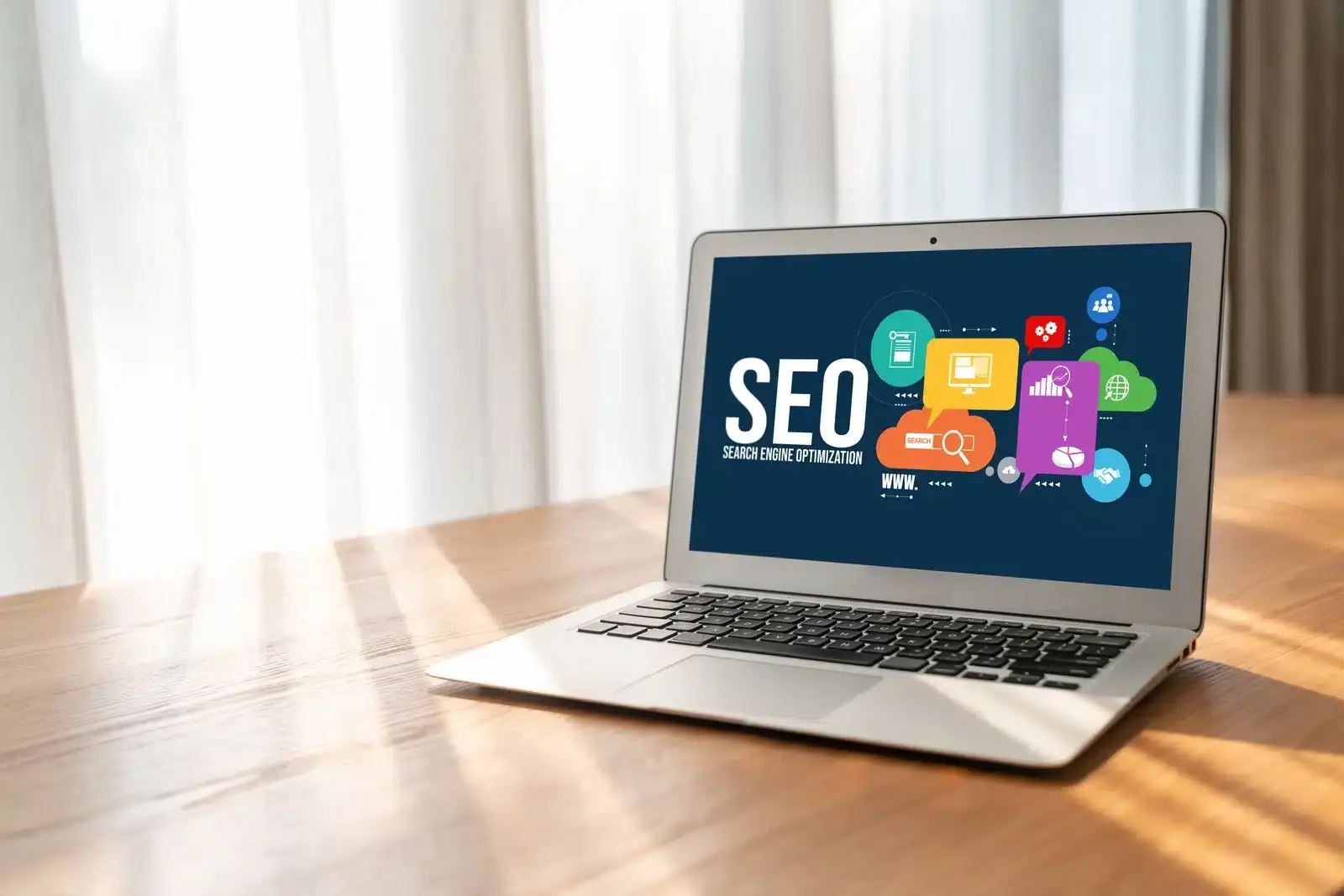
AEO vs GEO vs traditional SEO: do you still need SEO?
Yes, you still need SEO. AEO and GEO do not replace it, they sit on top of it. AI engines pull from content that already ranks and reads clearly, so a weak SEO and E-E-A-T foundation cannot be optimized into AI citations. The three stack rather than compete.
The distinction is mostly about which surface you are optimizing for, not three separate jobs.
| Approach | What it optimizes for | What wins it |
|---|---|---|
| Traditional SEO | Ranking in the classic list of links and the Map Pack. | Authority, relevance, technical health, and local signals. |
| AEO | Being the answer in AI Overviews, featured snippets, and People Also Ask. | Answer-first content, FAQs, and structured data on pages that rank. |
| GEO | Being named by generative assistants like ChatGPT and Perplexity. | Consistent, credible mentions across the trusted sources these models use. |
Because they build on the same foundation, the smart move is not to chase AI as a separate project but to run SEO, AEO, and GEO as one program. That is how we structure our plastic surgery SEO services, and it is the thinking behind our guide to future-proofing your SEO with generative AI.
How to measure AI search visibility
You measure AI search visibility by tracking whether your practice appears in AI Overviews for your key questions, whether assistants like ChatGPT name you when asked about surgeons in your area, and whether you see referral traffic arriving from AI tools. It is newer and less precise than rank tracking, but it is measurable.
Three practical checks: run your important patient questions through Google and note whether an AI Overview appears and whether it cites you or a competitor; ask the major assistants who they recommend for your procedures in your city and see whether your practice comes up; and watch your analytics for visits referred by AI tools, which are a growing and trackable source. None of this is as clean as classic reporting yet, so treat it as a directional scorecard you review regularly rather than a single number.
If you would rather have your SEO, AEO, and GEO run as one program built for a surgery practice, that is exactly what our plastic surgery SEO services cover, as part of our wider plastic surgery digital marketing work. Our SEO pricing shows what an engagement looks like.
The Skinspire Take
AI search is getting hyped as a brand-new discipline that makes SEO obsolete. It is not. The practices getting cited by ChatGPT and named in AI Overviews are, almost without exception, the ones that already did the authority and content work well. The AI layer just rewards it in a new place.
So do not let anyone sell you a separate, mysterious AI package. For a plastic surgery practice, the path to AI visibility is the path to real authority: credentialed surgeons made visible, clear answer-first content, clean structured data, and a genuinely strong reputation. Build that, and the citations follow.
AI search for plastic surgeons: common questions.
What is answer engine optimization for plastic surgeons?
Answer engine optimization (AEO) for plastic surgeons is the practice of shaping your content, structured data, and reputation so AI tools like Google’s AI Overviews and ChatGPT cite and recommend your practice when patients ask about procedures and surgeons. It focuses on being the answer, not just ranking in a list of links.
How do I get my practice cited by ChatGPT?
Get named by ChatGPT by being mentioned consistently across the trusted sources it learns from: your own authoritative website, reputable medical and professional directories, hospital and board profiles, and genuine reviews. Keep your surgeon credentials and business details consistent everywhere, and publish clear, accurate content the assistant can anchor to.
How do I show up in Google AI Overviews?
Publish answer-first content that directly answers the questions patients ask, mark it up with schema, keep your business data consistent, and strengthen the page so it ranks. AI Overviews largely draw from pages that already perform in search and state their answers clearly, so classic SEO and clean structure do most of the work.
Is AEO different from SEO?
AEO is a layer on top of SEO, not a replacement. SEO earns rankings and authority; AEO shapes that same content so AI engines can extract and cite it. Because AI answers pull from content that already ranks and reads clearly, you cannot succeed at AEO without an SEO and E-E-A-T foundation underneath it.
Can plastic surgeons still rely on Google rankings in 2026?
Rankings still matter, but they are no longer the whole picture. A growing share of patient research ends inside an AI answer with no click, so practices need to be both ranked and cited. The good news is that the same authority, content, and reputation work supports both, so it is one program rather than two.
About the author
More about the Skinspire team →
Want ChatGPT to recommend your practice? Let’s earn it.
We run SEO, answer engine optimization, and generative engine optimization as one program built for surgery practices. Territory exclusivity means we take one plastic surgery practice per protected market.